
Carbon blocks are becoming an increasingly popular choice for water filtration systems in both residential and commercial applications. But what exactly is a carbon block and how does it work? In this blog post, we will dive into the science behind carbon blocks and explore the benefits they offer for water filtration.
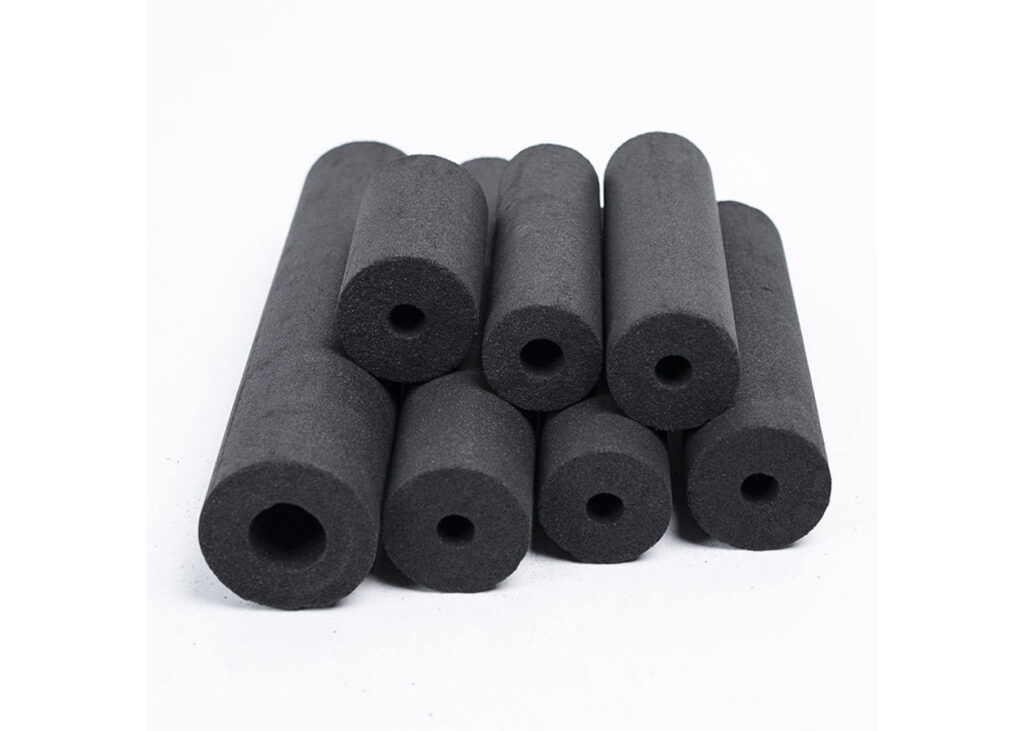
What is a Carbon Block?
A carbon block is a type of water filter that utilizes activated carbon to remove impurities from water. Activated carbon is a highly porous form of carbon that is treated with oxygen to open up millions of tiny pores between carbon atoms. This creates a large surface area for adsorption or the process of attracting and holding impurities on the surface of the carbon.
Carbon blocks are made by compressing activated carbon particles into dense, solid blocks. This process helps to increase the surface area of the carbon, providing even more opportunities for impurities to be adsorbed.
How Does a Carbon Block Work?
When water flows through a carbon block filter, impurities are adsorbed onto the surface of the carbon. This includes organic compounds such as chlorine, pesticides, and volatile organic compounds (VOCs), as well as heavy metals like lead and mercury.
Carbon blocks work through a process known as adsorption. Unlike absorption, which involves the penetration of a substance into another substance, adsorption involves the adhesion of a substance to the surface of another substance. In the case of carbon blocks, impurities in the water are adsorbed onto the surface of the activated carbon.
The effectiveness of a carbon block filter depends on a number of factors, including the type and quality of activated carbon used, the flow rate of the water, and the amount of time the water is in contact with the carbon. Generally, carbon block filters are most effective at removing organic compounds and chemicals, while other types of filters may be more effective at removing bacteria and viruses.
Benefits of Using a Carbon Block Filter
There are a number of benefits to using a carbon block filter for water filtration. Here are just a few:
1. Improved Taste and Odor
One of the primary benefits of using a carbon block filter is that it can improve the taste and odor of water. Chlorine is commonly added to municipal water supplies to disinfect the water and kill harmful bacteria. While chlorine is an effective disinfectant, it can also give water a strong, unpleasant taste and odor. Carbon blocks are effective at removing chlorine, as well as other organic compounds that can impact the taste and odor of water.
2. Reduction of Chemicals and Contaminants
Carbon block filters are also effective at reducing a wide range of chemicals and contaminants in water, including pesticides, VOCs, and heavy metals like lead and mercury. This can help to improve the overall quality of the water, making it safer and healthier to drink.
3. Environmental Benefits
Using a carbon block filter can also have environmental benefits. By removing impurities from water, carbon blocks can reduce the need for bottled water, which can help to reduce plastic waste and conserve natural resources.
4. Cost Savings
In the long run, using a carbon block filter can also be cost-effective. While carbon block filters may be more expensive upfront than other types of filters, they generally have a longer lifespan and require less frequent replacement. This can help to save money on replacement filters over time.
Choosing the Right Carbon Block Filter
When choosing a carbon block filter, there are a few factors to consider. These include:
1. Micron Rating
The micron rating of a carbon block filter refers to the size of particles that the filter can effectively remove. A lower micron rating indicates that the filter can remove smaller particles, while a higher micron rating indicates that it can only remove larger particles. It’s important to choose a filter with an appropriate micron rating for your needs.
2. Flow Rate
Another important factor to consider is the flow rate of the filter. The flow rate refers to the amount of water that can pass through the filter in a given amount of time. It’s important to choose a filter with a flow rate that is appropriate for your needs. If the flow rate is too slow, it may be impractical for high-volume applications, while a filter with a high flow rate may not be effective at removing impuritie.
3. Certification
When choosing a carbon block filter, it’s also important to look for filters that are certified by reputable organizations. Certifications from organizations like NSF International or the Water Quality Association can provide assurance that the filter meets certain performance standards and has been independently tested.
Popular Posts
- Huatan Filtration Shines at 2024 Guangdong Water Exhibition with Innovative Carbon Block Tech
- 8 Tips for Using Sintered Activated Carbon Block cartridges
- A Performance Guide To Common Types Of Filter Cartridges
- Factors to Consider When Evaluating China-Made Carbon Block Filters
- Functions Of Activated Carbon Water Filter Cartridges
- Best Carbon Block Water Filter Cartridge Buying Guide
- What to Look for in a Quality Carbon Block Water Filter?
- The Science Behind Carbon Cartridges: How Do They Work?
- What Should Be The Mission Of All Activated Carbon Filter Companies?
- Step-by-Step Guide to Importing Activated Carbon Filters from China